


Losing someone is hard, and finding the right words can feel even harder. Sympathy Messages for a Coworker should be kind, simple, and respectful. You do not need to write a long message. A few honest words can show that you care. Keep the focus on your coworker and their loss. Avoid giving advice or trying to explain why the loss happened.
The best Sympathy Messages for a Coworker offer comfort without creating pressure. You can mention that you are thinking of them or offer practical help. If you know the person who died, you can mention their name. These 70 messages will help you find the right words. Each one is warm, thoughtful, and suitable for a workplace relationship.
How to pick the right tone for a coworker
Not every coworker relationship is equal. Match your sympathy message for coworker situations to how close you actually are.
- I’m so sorry to hear about your loss. Thinking of you during this difficult time.
- Sending you strength and comfort as you navigate this incredibly hard season of your life.
- Please know your work family is thinking of you and holding space for your grief.
- My heart goes out to you and your family right now. I’m so sorry.
- Wishing you comfort and peace as you grieve. You are not alone in this.
- I don’t have the right words, but I’m holding you close in my thoughts.
- Sending quiet support your way today. Please take all the time you need.
Read Also: 55+ Wedding Wishes for a Coworker (For the Card the Whole Team Signs)
Short, professional lines for any coworker

Sometimes brief is best. A short sympathy message for coworker relationships shows care without crossing lines.
- With deepest sympathy for your loss. Thinking of you and your family today.
- So sorry for your loss. Sending you strength during this difficult time.
- Thinking of you and sending comfort your way during this hard chapter.
- My condolences to you and your loved ones. You’re in my thoughts.
- Sorry to hear this news. Wishing you peace in the days ahead.
- Sending sympathy your way. Please know we’re thinking of you here.
- With sympathy and support, always. Take whatever time you need right now.
Why a coworker’s sympathy card is its own register
A coworker sympathy card sits between formal and personal. It needs warmth without pretending to be closeness that isn’t there.
- I may not know all the details, but I’m truly sorry for your loss.
- Even from a distance, please know I’m thinking of you and your family.
- I wanted you to know I’m holding you in my thoughts this week.
- Wishing you comfort as you go through this. Please take care of yourself.
- Sending sympathy from your team. We’re thinking of you during this hard time.
- I’m sorry for the pain you’re carrying. Sending warmth from all of us.
- Please accept my sincere condolences. I’m thinking of you and your loved ones.
The “we have your work covered” reassurance
A professional sympathy message for coworker situations should remove work pressure entirely, not just offer sympathy.
- Please don’t think about work at all. We’ve got everything handled here.
- Your inbox and meetings are covered. Focus only on yourself and your family.
- Take all the time you need. Your projects are in good hands here.
- We’ve rearranged the schedule so you don’t have to worry about deadlines.
- Nothing here needs your attention right now. Please rest and grieve fully.
- Your work will be here when you’re ready. There’s truly no rush.
- We’ve divided your tasks among the team. Please just focus on healing.
Warmer lines for a coworker you actually know
For someone close, a personalized sympathy message can mention specifics and feel genuinely personal.
- I loved hearing you talk about your dad. He clearly shaped who you are.
- Your mom sounded like such a warm person from everything you’ve shared with me.
- I’m so grateful I got to know you through the stories you told us.
- Please call me anytime, day or night. I mean that, truly and completely.
- I’ve been thinking about you constantly since I heard. I’m so sorry, friend.
- You’ve supported so many of us here. Let us support you now, fully.
- I’m not just a coworker right now, I’m someone who genuinely cares about you.
Specific, concrete offers instead of “let me know if you need anything”
A specific offer of help works better than vague words. Concrete offers actually get accepted.
- I’ll cover your on-call shifts this week. No need to ask, it’s done.
- I’m bringing dinner to your place Thursday. Just tell me any allergies.
- I already moved your Friday meeting. You don’t need to do a thing.
- I’ll answer your emails through Monday and flag anything urgent for later.
- I picked up your client call tomorrow. Focus on your family this week.
- I’m happy to drive you to the service if you need transportation there.
- I’ll water your desk plants and check your mail until you’re back.
Read Also: 90+ Farewell Messages for a Classmate (Yearbook & Last-Day Lines)
Lines from the whole team – short notes for a card several people sign
Every note in a group sympathy card for coworker situations should be short, so many people can sign it.
- Thinking of you, from all of us here. We’re sending love your way.
- Sorry for your loss. The whole team is here for you, always.
- Sending strength from everyone in the office. We’re rooting for you fully.
- We’re holding you in our thoughts. Take care of yourself, we’ve got this.
- The team sends love and support. Please lean on us whenever needed.
- So sorry, sending comfort from your entire department during this hard time.
- With deepest sympathy from all of us. We’re here whenever you’re ready.
The clichés to retire – named explicitly
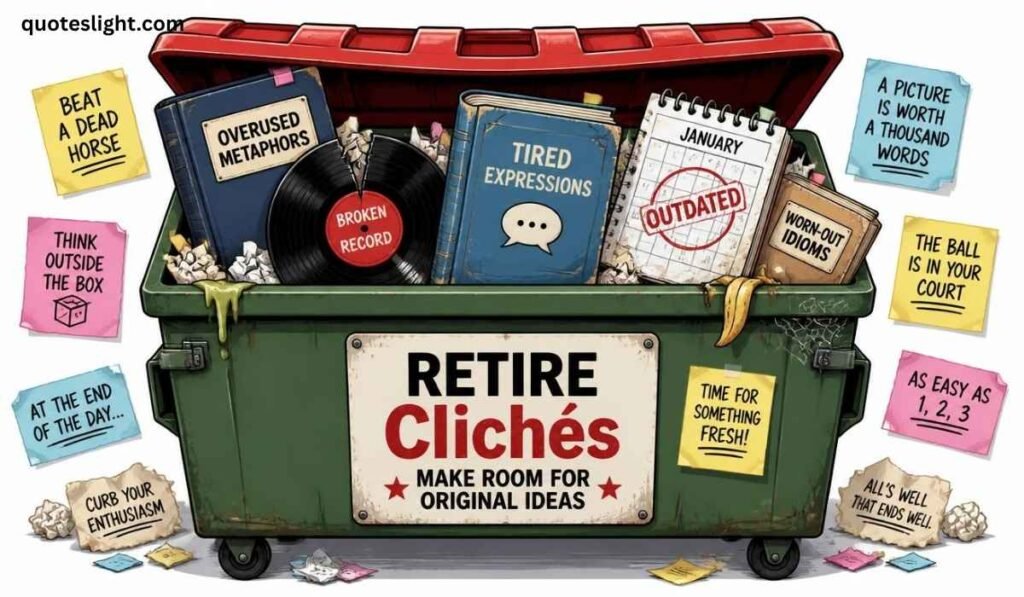
Some sympathy phrases to avoid sound hollow, even with good intentions behind them. Skip these entirely.
- Avoid saying “they are in a better place” – it can feel dismissive.
- Skip “everything happens for a reason” – grief doesn’t need a reason attached.
- Don’t say “time heals all wounds” – it minimizes what they’re feeling now.
- Avoid “stay strong” – it pressures grief into performance instead of honesty.
- Skip “you are still young” – it dismisses the depth of real loss.
- Don’t offer “let me know if you need anything” alone – be specific instead.
- Avoid comparing losses – “I know how you feel” rarely lands the way intended.
“No pressure to come back” sign-offs
Removing deadlines matters. A message with no pressure to return to work gives real breathing room.
- Come back whenever you’re ready. There’s genuinely no timeline attached to this.
- Take the full time you’re given, and then some, if you need it.
- Your desk will be here whenever you are. No rush, no pressure at all.
- Please don’t feel you owe anyone an update. Return when you feel ready.
- We’re not counting days. Come back only when it feels right for you.
- No need to reply to this. Just know we’re thinking of you daily.
- Whenever you walk back through that door, we’ll be glad to see you.
How to sign a coworker’s sympathy card
Your sign-off should match your closeness. Sympathy card etiquette matters more at the ending than people expect.
- With deepest sympathy, [Name] – a fitting close for someone you don’t know well.
- With sympathy and support, [Name] – solid for a regular coworker relationship.
- Thinking of you always, [Name] – warmer, suited for someone you like personally.
- With love and support, [Name] – reserved for a coworker who’s become a friend.
- Sincerely, on behalf of the team – appropriate when signing for a whole department.
- With heartfelt sympathy, [Name] – a respectful, slightly warmer professional closing line.
- In loving thought, [Name] – gentle and warm without feeling overly familiar.
Turn it into a group card
Turning a card into a group effort takes a little coordination, but it doesn’t need to be complicated. Pick one person to start the card and keep it moving through the office quietly. Ask everyone to write something short and personal, so the sympathy card from coworkers doesn’t feel repetitive by the twentieth signature.
Encourage people to avoid copying the line above theirs. Even two sentences in someone’s own words feels warmer than a repeated phrase. If your coworker leans toward remote work, consider a digital group sympathy card instead, since it lets scattered teammates and contractors contribute without anyone being left out.
Whoever organizes the card should also mention any practical support already arranged, like covered shifts or handled deadlines. This turns the card into more than sympathy. It becomes proof the team is genuinely there. A simple closing note works well: “we’re all thinking of you, take whatever time you need.”
Conclusion
Finding the right words after a loss is never easy. Sympathy Messages for a Coworker should feel warm, honest, and respectful. You do not need to say too much. A simple message can show that you care. Keep your words focused on their feelings and their loss. Avoid advice or phrases that may sound forced. A kind note can bring comfort during a difficult time.
The best Sympathy Messages for a Coworker offer support without adding pressure. You can say that you are thinking of them or offer simple help. If you knew the person who died, a personal detail can make your message feel more genuine. These 70 messages give you thoughtful ideas for different workplace relationships. Choose the one that feels natural and sincere.
Frequently asked questions
How long should I wait before checking in again?
A short check-in after the first week can help. Consider reaching out again around week six or later without asking for updates.
What if I want to offer help but I am not close to the coworker?
Offer something small and specific that requires no response. For example, cover a task, move a meeting, or handle urgent work.
What should you never write in a coworker’s sympathy card?
Avoid phrases that assign meaning to their loss, such as everything happens for a reason, time heals, or be strong.
Should the whole team sign one sympathy card?
Yes, one group card with short personal notes can feel warmer and easier to read than many separate messages or emails.
Should you mention the person who died by name?
If you knew their name, mentioning it can make your message warmer and more personal. If you did not know them, simply express sympathy.
What do you write in a sympathy card for a coworker you do not know well?
Keep your message short and professional. Say you are sorry for their loss and that you are thinking of them during this difficult week.
